
ENTREPRENEURSHIP PERSPECTIVE

1. Definition, Basic Nature, and Development of Entrepreneurship
Entrepreneurship is the process carried out by individuals or groups to take advantage of commercial opportunities by bringing a product or service to the market. This is done by substantially adding value to goods and services using specific production methods. The entrepreneurial process can be executed on various scales, whether small, medium, or large. The people involved in entrepreneurship are called entrepreneurs, which refers to individuals or groups who manage production tools to engage in entrepreneurship. Entrepreneurs generally operate under the pressure of uncertainty and significant financial risk. An entrepreneur can run a business alone or partner with others to co-found a business.
An entrepreneur is required to possess several traits or characteristics. These traits will ultimately determine their success in business:
- The courage to take risks.
- The ability to innovate and create products that differ from what already exists.
- The qualities of a visionary and the capability to lead their team.
- An open-minded attitude, enabling them to wisely face changes around them.
- A deep understanding of the product being developed and marketed.
Additionally, an entrepreneur should be able to accept input, both criticism and suggestions, from those around them. Often, it’s through constructive criticism that a business can grow and expand.
Entrepreneurship was first introduced in France in the 18th century by an economist named Richard Cantillon. Cantillon viewed entrepreneurs as those who bear economic risks. During the same period, the Industrial Revolution was occurring in England, where entrepreneurs played a significant role in bearing risks and transforming resources. Since then, entrepreneurship has been introduced by economists as a topic of discussion and analysis in both the 18th and 19th centuries. Nowadays, the term entrepreneurship is often associated with freedom of enterprise and capitalism. Entrepreneurs are generally seen as agents of change, generating creative and innovative ideas in their businesses, or helping companies grow profitably.
2. The Entrepreneurial Process
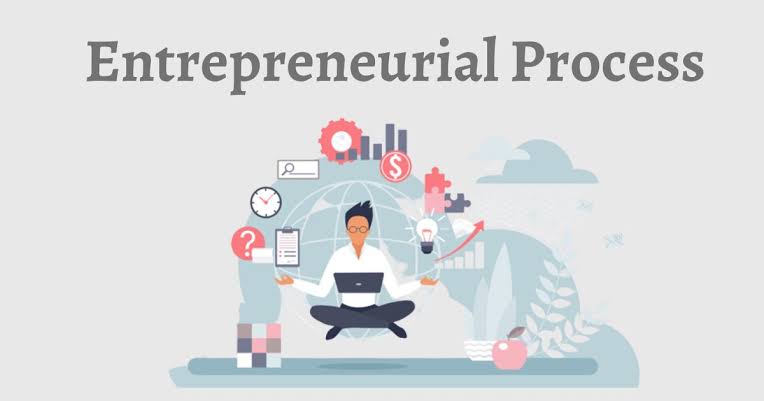
The general stages of entrepreneurship are as follows:
- Starting stage: The stage where someone preparing to start a business makes the necessary preparations, beginning with identifying new business opportunities, whether starting a new venture, acquiring an existing business, or franchising. They also decide the type of business, whether in agriculture, industry/manufacturing/production, or services.
- Running the business: Also known as the “operation” stage, in which the entrepreneur manages various aspects of the business, including financing, human resources, ownership, organization, leadership (involving risk-taking and decision-making), marketing, and evaluation.
- Sustaining the business: The stage where the entrepreneur analyzes the progress made to follow up based on the conditions faced.
- Expanding the business: If the results are positive or show growth, business expansion may be one of the options considered.
According to Carol Noore, quoted by Bygrave (1996: 3), the entrepreneurial process begins with innovation, which is influenced by various factors from both personal and external sources, such as education, sociology, organization, culture, and environment. These factors shape the locus of control, creativity, innovation, implementation, and growth, eventually developing into a large enterprise. Innovation evolves into entrepreneurship through a process influenced by the environment, organization, and family (Suryana, 2001: 34). In summary, the entrepreneurial process includes the following stages (Alma, 2007: 10-12):
- Innovation process
- Triggering process
- Implementation process
- Growth process
3. The Role of Entrepreneurship in Economic Development
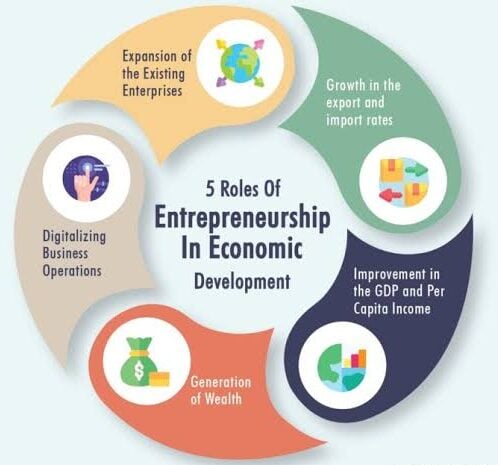
The role of entrepreneurship in economic development is substantial. After all, entrepreneurs don’t just build businesses and grow their personal wealth; they also impact the economy by creating new jobs and opportunities, driving innovation, and developing new markets, products, and services.
- Raising the Standard of Living: Entrepreneurship plays a crucial role in raising the standard of living by creating new businesses and jobs. This helps improve the quality of life for individuals and communities, offering new opportunities for wealth creation. As businesses grow, they provide better products and services, which in turn raises consumer satisfaction. The overall impact is an improved lifestyle, not just through income generation but through broader access to resources and services. In many regions, entrepreneurship is a vital force in uplifting local economies, leading to enhanced community welfare.
- Creation of New Jobs: Entrepreneurs are significant contributors to job creation. By starting new businesses, they provide employment opportunities for themselves and others, which directly helps reduce unemployment. This is particularly important in developing countries where job creation is critical to boosting economic growth and alleviating poverty. According to the Global Entrepreneurship Monitor, entrepreneurship is responsible for creating millions of jobs worldwide. This infusion of new employment opportunities improves economic conditions, particularly in regions with limited job prospects, leading to a more resilient and robust economy.
- Helps To Eliminate Poverty In Local Areas: Entrepreneurship can be a powerful tool in eliminating poverty, particularly in local and underserved areas. By creating new businesses and jobs, entrepreneurship provides pathways for people to improve their financial standing. In developing countries where poverty is often widespread, entrepreneurial activities offer a means of generating income and fostering economic mobility. Over time, as local businesses grow and expand, the ripple effect leads to better living conditions and more resources for communities, ultimately contributing to social change and development at large.
- Helps With Community Development: Entrepreneurs play a key role in community development by contributing to the economic vitality of their local areas. The creation of new businesses leads to more investment in infrastructure, public services, and amenities, which in turn enhances the overall standard of living. Furthermore, entrepreneurship fosters a sense of community pride and ownership as local businesses become integral parts of the social fabric. This sense of involvement and commitment to the local economy can have long-term positive effects, spurring further development and ensuring sustainable growth.
- Provides Economic Independence: Entrepreneurship provides economic independence not just for individuals, but also for towns and even nations. When entrepreneurs create new businesses, they contribute to the financial well-being of their communities by generating income and circulating wealth locally. In many developing countries, entrepreneurship is a counterbalance to the dominance of large corporations, giving smaller businesses a chance to thrive. This decentralization of economic power promotes diversity in the marketplace, leading to a more stable and resilient economy where individuals can carve out their own paths to success.
- Benefits of New Startups Entering the Market: Startups are a driving force for innovation and economic competitiveness. When new businesses enter the market, they challenge established companies to improve their products and services. This not only benefits consumers, who enjoy better offerings, but also spurs overall economic growth. Startups bring fresh ideas and energy into the business ecosystem, creating new job opportunities and fostering a dynamic environment for economic development. Without the constant influx of new entrants, established companies may lack the incentive to innovate, leading to stagnant industries and monopolistic practices that can harm the market and consumers.
- Encourages Capital Investment: Entrepreneurship attracts capital investment at both local and international levels. When entrepreneurs start new businesses, they often attract investments that can accelerate growth. These investments can come from local investors, venture capitalists, or foreign entities seeking to tap into new markets. Capital investment not only supports the expansion of businesses but also contributes to overall economic development by generating more opportunities for job seekers and other entrepreneurs. In developing countries, the influx of capital can transform communities, fostering growth in industries that may have been previously underdeveloped or overlooked.
- New Entrants Drive Market Innovation: Entrepreneurship is a catalyst for market innovation. Entrepreneurs have the unique ability to spot gaps in the market and develop innovative solutions that benefit both businesses and consumers. By introducing new products, services, or business models, they drive competition, which in turn lowers prices and increases the quality of offerings in the marketplace. Moreover, innovative entrepreneurs often find ways to streamline production processes, which can reduce costs and increase supply. This is particularly crucial for developing nations, where innovations in production can lead to significant gains in exports, boosting the overall economy.
- Optimal Use of Resources: Entrepreneurs contribute to the optimal use of resources by developing efficient methods of production and business operations. By identifying new business opportunities, they can introduce more effective ways to utilize existing resources, leading to reduced waste and increased productivity. This not only benefits their own businesses but also enhances the overall economy. In many cases, entrepreneurship also leads to the creation of entirely new markets. By introducing products or services that didn’t exist before, entrepreneurs generate new demand, which can lead to the development of new industries, further driving economic growth.
- Increases Per Capita Income (PCI) and Gross National Product (GNP): Entrepreneurship is closely tied to economic growth, as it contributes directly to increases in both per capita income (PCI) and gross national product (GNP). By creating jobs and new businesses, entrepreneurship stimulates economic activity, leading to higher incomes for individuals and higher overall output for the nation. In developing countries, this is especially important as entrepreneurship helps reduce unemployment and raise living standards. Studies have shown a positive correlation between entrepreneurial activity and economic growth, with countries that encourage entrepreneurship seeing faster and more sustained economic expansion. Additionally, entrepreneurship helps promote balanced regional development by creating opportunities in previously underdeveloped areas, reducing disparities and fostering more inclusive growth.
4. Business Ethics and Social Responsibility

Business ethics refer to how business activities are conducted, encompassing all aspects related to individuals, companies, and society. Business ethics within a company form the values, norms, and behaviors of employees and leaders, fostering fair and healthy relationships with customers/partners, shareholders, and society. Business ethics extend beyond the legal framework, representing a higher standard than the minimum legal requirements. Often, there are gray areas in business activities not covered by law. Von der Embse and R.A. Wagley, in their article in Advance Management Journal (1988), proposed three fundamental approaches to formulating business ethical behavior:
- Utilitarian Approach: Every action should be based on its consequences. Therefore, one should act in ways that bring the greatest benefit to society without causing harm and at the lowest possible cost.
- Individual Rights Approach: Everyone has fundamental rights that must be respected. However, actions should be avoided if they are expected to infringe on others’ rights.
- Justice Approach: Decision-makers must be fair in providing services to both individuals and groups.
Corporate Social Responsibility (CSR) is a concept whereby organizations, particularly businesses, have responsibilities toward all stakeholders, including consumers, employees, shareholders, the community, and the environment, in all aspects of operations. This includes economic, social, and environmental factors. CSR is closely tied to sustainable development, meaning that an organization, especially a business, must base its decisions not only on economic impacts (such as profits or dividends) but also on the social and environmental effects of those decisions, both in the short and long term. Thus, CSR is the company’s contribution to sustainable development by managing its impact (minimizing negative and maximizing positive effects) on all stakeholders.
5. The Future of Entrepreneurship
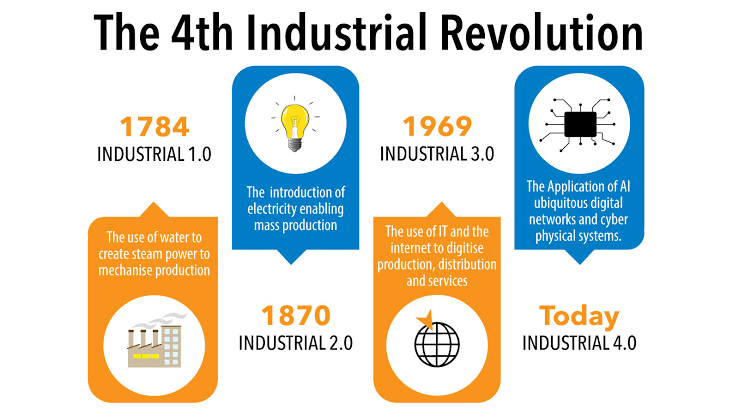
As times change, entrepreneurship has evolved into something more stylish and trendy. Entrepreneurship today is no longer rigid, formal, or bound by dress codes like suits and ties. It is freer and more flexible, opening the doors to a wider range of participants. Since 2008, full-time job opportunities in offices have become increasingly scarce, leading to the rise of the Gig Economy (a term used to describe freelancers and part-time work).
With technological advancements, entrepreneurship is the ideal choice for anyone who wishes to succeed in the “Fourth Industrial Revolution.” In the future, entrepreneurs worldwide may no longer be constrained by national boundaries, as they can easily leverage global freelancers to support their businesses. Furthermore, with technological development, future entrepreneurs can combine technology with promoting their products, benefiting the general public by providing a wider reach for their goods.
The rapid development of computerization over recent decades has transformed business systems, procedures, items, and administration, reshaping traditional business practices. Entrepreneurs can discover new markets while improving efficiency and developing new businesses through advanced innovations. This enables them to harness the vast potential of digital devices and systems, such as mobile phones, the internet, big data, social media, and cloud computing. Many businesses in manufacturing, services, and society may not know how to apply and integrate digital technology. This creates opportunities for third parties to manage digital business operations on behalf of these companies, increasing the demand for digital entrepreneurship worldwide.
Globalization demands that entrepreneurs become more intelligent and creative, as competition intensifies. This competition exists not only in entrepreneurship but also in every sector. As Thomas Friedman proposed, the term “GloCal” (Global to Local) suggests that entrepreneurs must adopt this concept. With the rise of protectionism and the threat of deglobalization, the future of entrepreneurship will also have a local or mixed global and local (GloCal) nature. This approach ensures that global trends do not diminish, while also preserving a genuine focus on local products.
ENTREPRENEURIAL MINDSET

1. Entrepreneurial Mindset
A mindset is a cognitive belief system consisting of interconnected beliefs, assumptions, and knowledge used to process information, make decisions, and guide actions. An entrepreneurial mindset is a set of beliefs, knowledge, and thought processes that drive entrepreneurial behavior and a way of thinking that enables entrepreneurs to overcome challenges, act decisively, and embrace responsibility. This mindset encourages entrepreneurs to improve their skills, learn from mistakes, and take continuous action based on creative ideas. Thus, an entrepreneurial mindset helps guide entrepreneurs toward behaviors that enable them to succeed in the businesses they build.
Here are the three main characteristics of an entrepreneur with an entrepreneurial mindset:
- Solution-oriented: The entrepreneurial mindset is resilient, full of ideas, and solution-driven. A person with this mindset is a lifelong learner who is curious, creative, and critical-thinking.
- Adaptable: The entrepreneurial mindset can embrace changes, often beyond what management teaches. When changes occur, an entrepreneur remains focused on their mission.
- Non-fragile: This is a positive condition and a key quality of the entrepreneurial mindset. This mindset becomes a highly needed skill and way of thinking, universally applicable to facing challenges worldwide.
Having an entrepreneurial mindset offers numerous benefits that extend beyond just the business world. This mindset fosters creativity, resilience, and a proactive approach to problem-solving. People with an entrepreneurial mindset are often better equipped to face uncertainty, embrace change, and turn challenges into opportunities. This way of thinking can boost personal growth, improve career prospects, and contribute to a greater sense of satisfaction and fulfillment. While it’s often associated with starting a business, an entrepreneurial mindset can be beneficial in many areas of life, helping you lead a more productive, successful, and fulfilling life.
The benefits of having an entrepreneurial mindset aren’t limited to individuals alone. This mindset can significantly motivate teams, drive business initiatives, and even influence entire industries. By constantly seeking innovative solutions and fearlessly exploring new ideas, individuals with an entrepreneurial mindset can drive growth and evolution in their fields. These individuals, equipped with their unique perspectives and persistence, can effectively navigate challenges and seize opportunities in ways that others might not see. This ability to push boundaries and venture into the unknown can give their businesses a competitive edge.
Talking about an entrepreneurial mindset is one thing, but seeing it in action is another. Let’s take a closer look at some real-life examples of entrepreneurs who embody this mindset, not only transforming their own lives but also the industries they work in.
Oprah Winfrey — Media Empire: Oprah Winfrey’s journey from a talk-show host to the owner of a media empire is a compelling illustration of an entrepreneurial mindset in action. She overcame numerous personal and professional challenges, consistently learning, growing, and innovating along the way. She capitalized on opportunities, like creating her television network, OWN, and constantly sought ways to expand her influence. She embraced her unique voice and perspective, building a brand that resonates with millions worldwide. Her story is a powerful example of resilience, vision, and the impact one can make with an entrepreneurial mindset.
Brian Chesky, Joe Gebbia, and Nathan Blecharczyk — Airbnb: The founders of Airbnb, Brian Chesky, Joe Gebbia, and Nathan Blecharczyk, showcased a clear entrepreneurial mindset when they transformed the way we travel. Faced with the challenge of not being able to pay their rent, they saw an opportunity in offering travelers a more personal and affordable lodging experience. Despite early skepticism and regulatory hurdles, they persisted with their innovative concept, continuously learning and iterating their platform. Their ability to embrace challenges, think creatively, and stay committed to their vision ultimately led to Airbnb becoming a global phenomenon.
Remember, an entrepreneurial mindset is not something you’re born with; it’s a skill that can be developed and sharpened. Start today, and don’t be afraid to take risks, make mistakes, and learn from them. With the right mindset, you can turn challenges into opportunities, innovate, and achieve your goals. So, embrace an entrepreneurial mindset and unlock your full potential.
2. Managerial Decision Making

Managerial decision-making is a crucial process in the world of organizations and business. Essentially, decisions are made to solve a problem or achieve organizational goals. In Chapter 1 of the book “Managerial Decision Making,” it is explained that decision-making is the process of selecting the right course of action based on the situation at hand. It involves problem identification, evaluating alternatives, and choosing the most optimal solution.
Managerial decision making comes in different forms and is used to tackle a variety of problems. Here are a few common types of decisions managers typically face:
- Structured Decisions: These are straightforward decisions that follow clear, well-established procedures. They’re usually routine and involve little to no risk. Think of tasks like setting the company’s budget or picking out new suppliers — decisions that don’t require much guesswork.
- Unstructured Decisions: These are the opposite, dealing with situations that are less predictable and often more complicated. They require creativity and out-of-the-box thinking. Examples include launching a new product or breaking into a new market — decisions where there’s more uncertainty.
- Strategic Decisions: These decisions have long-term impacts and are typically high-level, shaping the overall direction of the company. For instance, deciding on a major investment, setting the company’s long-term strategy, or even closing down a branch or operation.
- Tactical Decisions: These involve short-term planning and don’t need as deep an analysis as strategic decisions. Examples include picking a marketing campaign or putting together a project plan — decisions that are more about immediate actions.
- Ethical Decisions: These involve weighing the moral or ethical implications of a decision. Managers often have to consider the broader impact on society or the environment, such as setting ethical standards within the company or deciding whether to conduct animal testing.
This type of decision making is essential for balancing short-term needs with long-term goals, while also ensuring actions align with ethical standards.
The decision-making process begins with clearly defining the problem, identifying possible solutions, and then evaluating these solutions to select the best alternative. According to Robbins and Coulter (in Fahmi, 2011), the decision-making process consists of eight stages:
- Identify the problem
- Identify decision criteria
- Weighting the criteria
- Developing alternatives
- Analysing alternatives
- Selecting one alternative
- Implementing the alternative
- Evaluate the effectiveness of the decision
Thus, good decision-making will result in effective solutions that positively impact the organization.
Additionally, Fahmi (2011) provides a more detailed explanation of the decision-making stages. First, the problem needs to be defined clearly and understandably. Next, a prioritized list of problems is created to ensure a systematic approach. After that, the problem is specifically identified before solutions are grouped and tested using appropriate models or tools. The final step is to ensure that the testing tools used adhere to established principles and guidelines. Simon (in Fahmi, 2011) adds that this process consists of four main stages i.e.: Intelligence is the process of gathering information aimed at identifying problems, Design is the stage of designing solutions to problems. Usually at this stage various alternative solutions to problems are studied. Choice is the stage of examining the advantages and disadvantages of various existing alternatives and choosing the best one. Implementation is the stage of making decisions and implementing them.
Here’s how managerial decision-making looks in real life, with some examples of the types of tough calls managers often have to make:
- Investing in new technology: Imagine a manager deciding whether to invest in new technology that could boost their department’s efficiency. They’d need to weigh the costs of the tech, the expected return on investment, any risks that come with it, and how this change could affect their employees.
- Hiring a new employee: When a manager considers hiring someone new, they’re thinking about more than just the cost. They’ll also evaluate what skills the role needs, how many qualified candidates are out there, and how adding a new person could shift the dynamic of the current team.
- Outsourcing a project: If a manager is thinking about outsourcing a project, they’ll look at the potential cost savings, the quality of work they’d be getting, the timeline for completing the project, and how this decision might impact team morale.
- Launching a new product: Deciding to launch a new product is a big one. The manager would need to consider everything from development, marketing, and distribution costs, to who the potential customers are, what the competition looks like, and how this new product might affect the existing lineup.
- Expanding into a new market: When it comes to expanding into new territory, a manager would look at the costs of setting up shop, the talent pool in that market, the competitive landscape, and whether this move could have any ripple effects on their current markets.
These examples highlight the range of factors managers juggle when making decisions, balancing immediate needs with long-term goals.
FINAL THOUGHTS
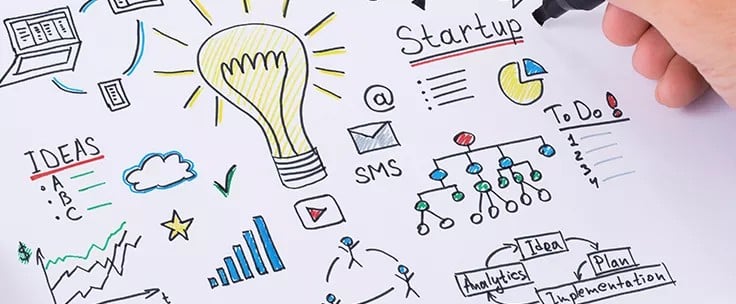
Entrepreneurship is the process of recognizing and seizing business opportunities by bringing products or services to market. It requires creativity, risk-taking, and leadership, with entrepreneurs often navigating uncertainty and financial challenges. Over time, entrepreneurship has evolved from a concept introduced by early economists like Richard Cantillon into a key driver of economic development and innovation. Entrepreneurs transform ideas into profitable ventures, playing a significant role in creating industries and jobs. They also face the growing responsibility of conducting business ethically, ensuring that their actions benefit society and contribute to sustainable development.
An entrepreneurial mindset is essential for success, characterized by resilience, adaptability, and a proactive approach to challenges. It enables entrepreneurs to think creatively, embrace risks, and continuously learn from their experiences. This mindset is also closely tied to managerial decision-making, where entrepreneurs must make strategic choices, balancing short-term needs with long-term goals. Whether deciding to invest in new technology, hire talent, or expand into new markets, effective decision-making requires a clear understanding of both opportunities and risks. A structured process of problem-solving and evaluating alternatives is key to ensuring positive outcomes for the business.
In conclusion, both the entrepreneurial perspective and mindset are critical in shaping successful ventures. Entrepreneurs drive economic growth and innovation, but their success hinges on their ability to think strategically and make informed decisions. As the business landscape becomes increasingly global and technology-driven, entrepreneurs must remain adaptable and ethical, embracing new challenges while staying committed to long-term goals. With the right mindset and decision-making abilities, entrepreneurs can continue to innovate, build sustainable businesses, and contribute positively to society.
Leave a Reply